Natural-Looking Facelift: Avoiding the “Overdone” Look
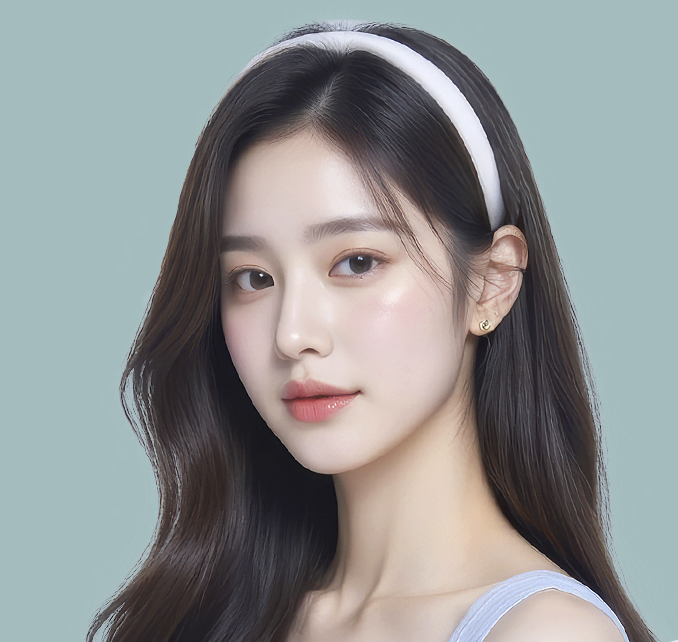
One of the biggest concerns for patients considering a facelift in Korea is looking “too tight” or obviously surgical. Fortunately, modern facelift techniques—especially in Korea—focus on creating natural, balanced, and age-appropriate results.
Today’s goal is not to completely change your face, but to help you look refreshed, youthful, and well-rested without losing your natural expression.
🌏 Why Some Facelifts Look “Overdone”
Older facelift techniques often focused mainly on pulling the skin tighter.
✔️ Common Causes of Unnatural Results
• Excessive skin tension
• Over-tightening around the mouth or eyes
• Poor facial balance
• Ignoring natural facial anatomy
• Using outdated surgical methods
👉 This can create the classic “windblown” or frozen appearance
💉 How Modern Korean Facelifts Create Natural Results
Korean surgeons are known for a more refined approach.
✔️ Key Philosophy
• Lift deeper structures instead of just skin
• Preserve natural facial movement
• Maintain individual facial character
• Focus on subtle rejuvenation
👉 The goal is to look like a younger version of yourself—not a different person
🔬 Techniques That Help Avoid the “Pulled” Look
Modern techniques are designed to reduce tension on the skin.
✔️ Popular Natural-Looking Techniques
• SMAS Facelift
• Deep Plane Facelift
• Endoscopic Facelift
• Fat Grafting combination
👉 These methods reposition deeper tissues for a softer and more natural outcome
⭐ Why Deep Tissue Lifting Matters
Natural results depend on where the lift happens.
✔️ Skin-Only Lift
• Can create tight, unnatural tension
• Often less durable
✔️ SMAS / Deep Plane Lift
• Repositions deeper muscles and ligaments
• Reduces tension on skin surface
• Creates smoother, more natural contours
👉 This is one reason Korean facelifts are known for looking subtle and elegant
💎 Volume Restoration Is Also Important
A youthful face is not only lifted—it also has healthy volume.
✔️ Why Volume Matters
• Aging causes fat loss in cheeks and temples
• A face that is too tight but hollow can look unnatural
✔️ Common Combination Treatments
• Fat grafting
• Under-eye fat repositioning
• Skin rejuvenation treatments
👉 Balanced volume creates a softer, healthier appearance
👤 The Importance of Personalized Design
Every face ages differently.
✔️ Natural Results Require
• Customized surgical planning
• Respect for facial proportions
• Conservative lifting approach
• Understanding ethnic and facial differences
👉 The best facelift is one that fits your unique face
⚠️ Signs of an Overdone Facelift
Knowing what to avoid is important.
✔️ Common Warning Signs
• Overly stretched skin
• Pulled corners of the mouth
• Flat or unnatural cheeks
• Difficulty making facial expressions
• Visible tension near ears or hairline
👉 Choosing an experienced surgeon helps avoid these problems
🌿 Subtle Improvements Often Look Better
Modern anti-aging trends favor softer enhancement.
✔️ Natural-Looking Goals
• Sharper jawline
• Reduced jowls
• Fresher eyes and cheeks
• Smoother neck contour
• More rested appearance
👉 Most patients want others to notice they look better—not obviously “done”
🌏 Why Korea Is Popular for Natural Facelifts
Korea has become globally recognized for subtle facial rejuvenation.
✔️ Key Advantages
• Advanced lifting techniques
• Strong focus on facial harmony
• Experience with natural aesthetics
• Conservative surgical style
👉 Korean surgeons often prioritize elegance and balance over dramatic transformation
💡 Tips for Achieving Natural Results
✔️ Choose a Surgeon Who
• Specializes in facial rejuvenation
• Has natural-looking before & after results
• Understands your aesthetic goals
• Uses modern lifting techniques
✔️ Communicate Clearly
• Bring reference photos if helpful
• Explain you prefer a natural look
• Avoid asking for extreme changes
👉 Communication is one of the keys to avoiding unnatural outcomes
⭐ Final Thoughts
A modern facelift in Korea should not make you look fake, frozen, or overdone.
Instead, the best results create:
• Natural facial movement
• Softer and youthful contours
• Balanced proportions
• A refreshed appearance that still looks like you
With the right surgeon, technique, and treatment plan, you can achieve a
beautifully natural facelift result that ages gracefully over time.